
Places of the Camino
Share


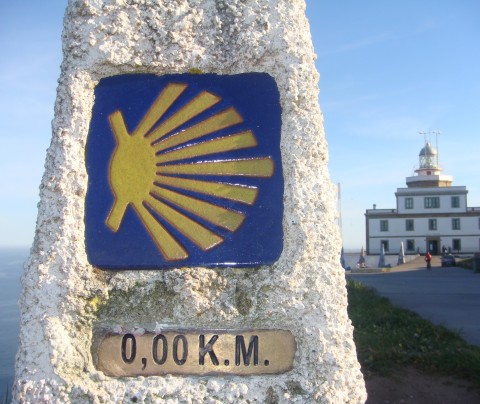
The Camino to Finisterre and Muxía is one of the most magical routes of the Camino de Santiago and the only one that begins in Compostela.
The Camino to Finisterre and Muxía is unique in that Santiago de Compostela is not the destination, but the starting point. In return, this ancient route offers pilgrims breathtaking landscapes, exquisite gastronomy, and a journey steeped in mysticism and legend.
And, of course, it is deeply rooted in the Jacobean tradition. Finisterre appears in the Codex Calixtinus under the name Dugium, the place where the Apostle's disciples traveled to obtain Roman authorization to bury his body in Compostela.
According to legend, the Virgin Mary arrived in Muxía in a stone boat to encourage the Apostle Saint James in his evangelizing mission across the Iberian Peninsula.
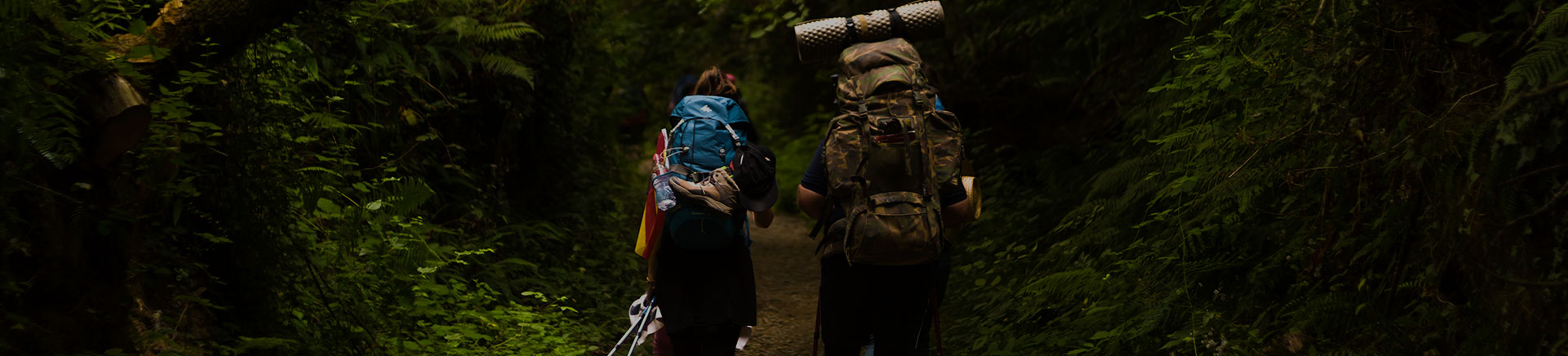
Today, we invite you to discover one of the most enchanting routes of the Camino de Santiago, which can be completed in just four or five stages. To help you make the most of your journey, here are some tips on what to do, and what not to do, during your pilgrimage to the End of the World.
1. Before You Set Off... Discover Santiago. Whether you are starting your Camino or extending it, you should not leave Santiago without entering the Cathedral and visiting the tomb of the Apostle.
If you have a few extra days, Galicia's capital offers countless attractions: its beautiful historic center, numerous green spaces, and exceptional gastronomy. Be sure to take time to enjoy the city before setting out.
2. Capture a Lasting Memory. To begin filling your journey with unforgettable sights, leave Santiago via Hortas Street. There you will find a small alleyway leading to the gardens, where you can enjoy one last view of the Cathedral before beginning your Camino.
And remember, if you want to travel light, you can leave some of your belongings in our luggage storage facility at the Correos Office located at Rúa do Franco, 4.
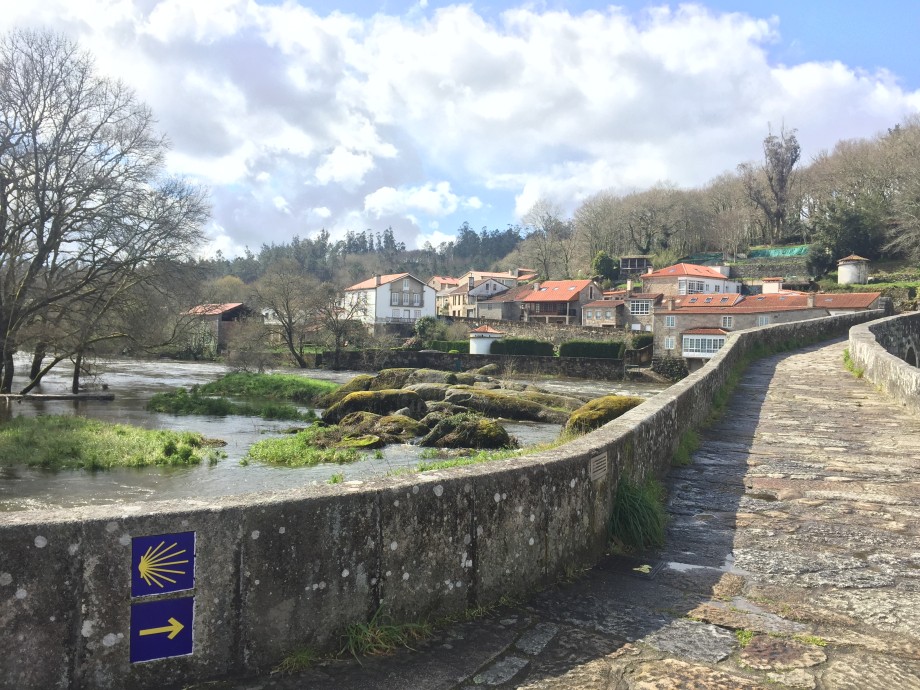
3. Discover Ponte Maceira. Before completing the first stage, you will reach the beautiful village of Ponte Maceira, one of the most photographed spots by pilgrims heading to Finisterre and Muxía.
This medieval settlement, divided by the Tambre River, features the Roman-origin Ponte Vella bridge, houses adorned with Renaissance coats of arms, the Chapel of Saint Blaise, two restored watermills (one of which now serves as a restaurant), a circular dovecote, several traditional Galician granaries (hórreos), and the impressive Baladrón manor house.
The stage ends in Negreira, where you can visit the Pazo de Cotón.
4. Enjoy the Rural Landscape. On the way to Olveiroa, through the municipalities of Dumbría and Mazaricos, you will experience authentic Galician countryside, crossing vast oak and pine forests.
As you pass through the villages, pay attention to the cobbled streets and the many traditional hórreos you will encounter along the route.
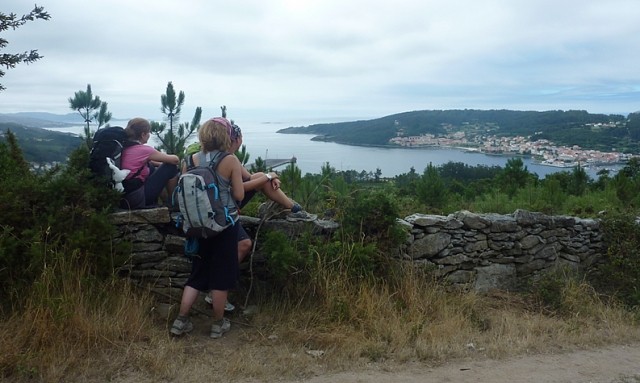
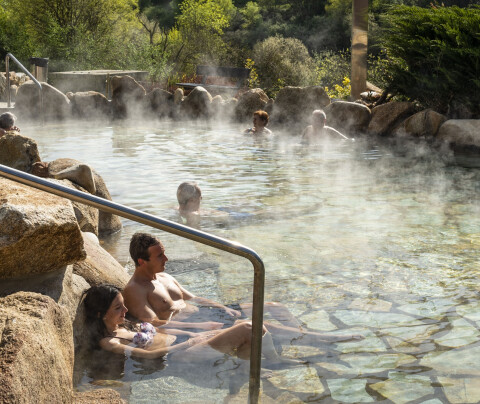
5. Relieve Foot Pain. Before reaching Cee, at Monte de San Pedro Mártir, you can wash your feet in a "miraculous fountain" reputed to soothe foot pain and rheumatism, located next to the hermitage.
From Alto do Cruceiro da Armada, you will also enjoy your first distant view of Cape Finisterre.
6. Explore the Maritime Tradition. In Corcubión, you can stroll through a charming old town, admire its Romanesque church, and enjoy views of the sea.
Although it is not directly on the Camino, if you have the opportunity, visit the Ézaro Waterfall, one of Galicia's most spectacular natural landmarks.
Ézaro is the only waterfall in Europe that falls directly into the sea, and at certain times of the year it is illuminated with a captivating display of lights and colors.
7. Enjoy the Local Cuisine. This Camino is a feast for food lovers.
Inland, you will find excellent Galician beef, while along the coast you can enjoy fresh seafood and fish. One recommendation: don't leave without trying longueirones (razor clams), a local specialty.
8. Follow the Rituals Upon Arrival in Finisterre. Tradition calls for three symbolic rituals when arriving in Finisterre:
- Purification: taking a bath at Langosteira Beach.
- Death: letting go of a material possession you have carried with you.
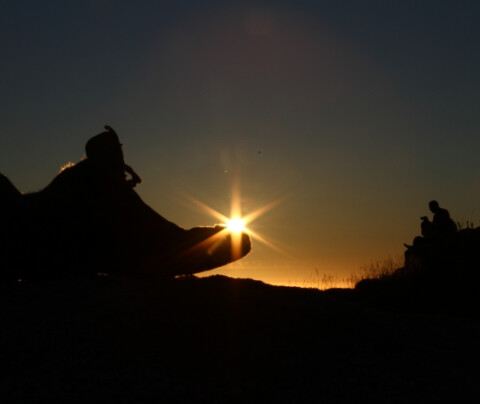
- Rebirth: watching the spectacular sunset at Cape Finisterre.
9. Obtain Your Fisterrana Certificate. Upon arriving in Finisterre, don't forget to visit the public hostel and present the stamps that prove you completed the Camino in order to receive the Fisterrana certificate.
You can also stop by our Correos Office on A Coruña Street, from where you can ship your suitcase, bicycle, or backpack back home.
And if you would like to enjoy the Camino at a more relaxed pace, Correos also offers a backpack transfer service. We transport your backpack between accommodations while you focus on experiencing the Route.
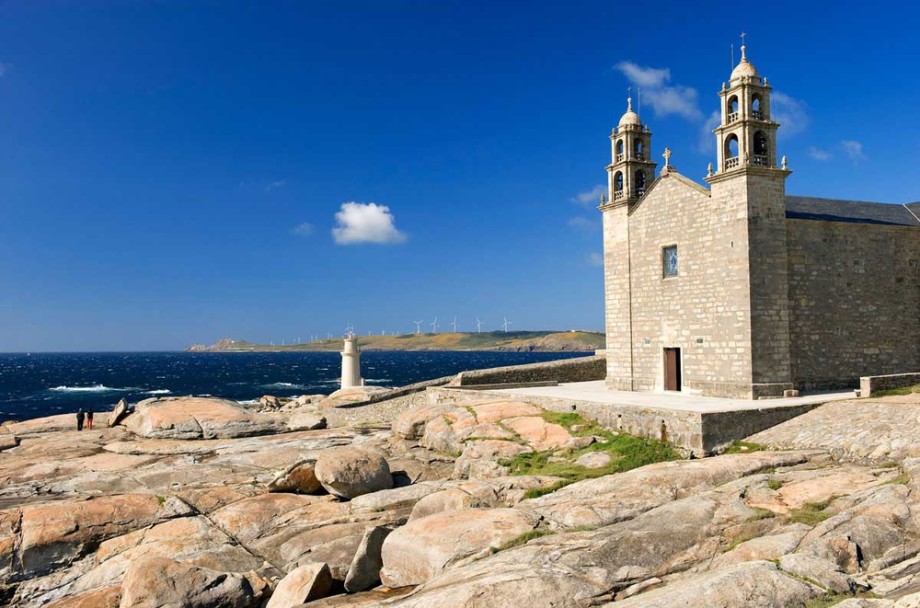
10. Visit the Sanctuary of Virxe da Barca. In Muxía, visit the Sanctuary of Virxe da Barca and admire its spectacular seaside setting.
Look for the Abalar Stone, traditionally believed to possess divinatory powers, and the Dos Cadrís Stone, under which pilgrims pass nine times in the hope of curing kidney or back ailments.
At the public hostel, you can receive the Muxiana certificate by presenting the stamps that prove you completed the Camino to Muxía.
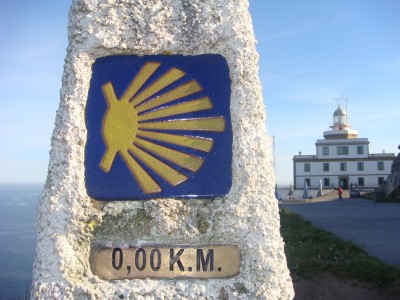
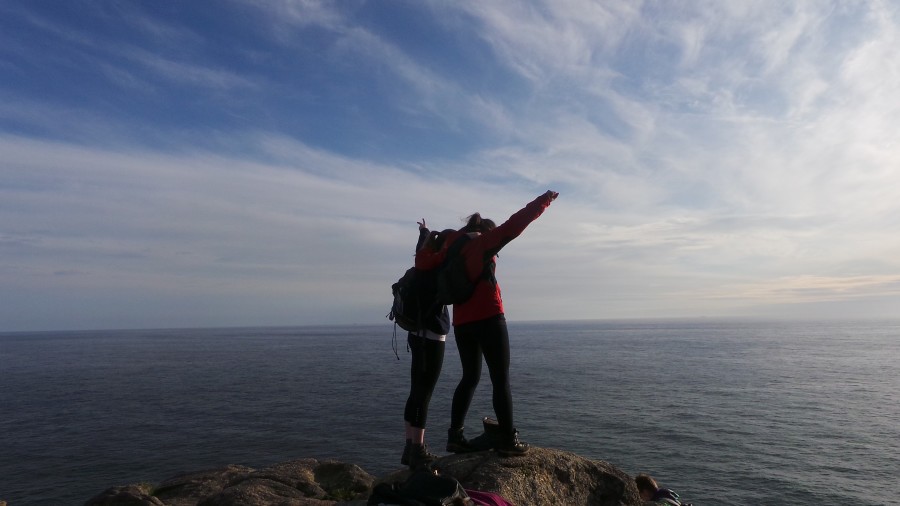
There are also some things you should avoid during your pilgrimage. When you arrive at the Finisterre Lighthouse, do not climb down too far onto the cliff rocks, as it is dangerous.
Likewise, do not abandon your belongings or burn your clothes near the lighthouse. Not only is this not a genuine tradition, but it also damages a natural environment that we all share the responsibility to protect.
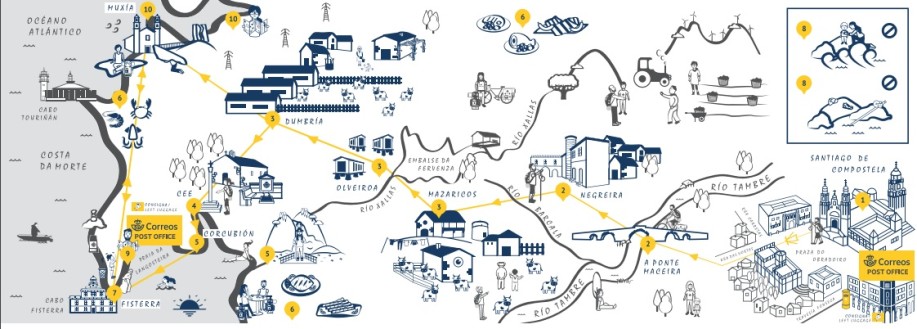
To help you remember these recommendations, El Camino con Correos has created a map that includes all these tips, along with space for collecting your daily stamps.
With it in hand, you'll be ready to fully enjoy your pilgrimage to the End of the World.
Buen Camino, pilgrim!
Your email address will not be published.
Mandatory fields are marked with *