
Places of the Camino
Share


The Camino de Santiago offers pilgrims a unique wealth of experiences: human, natural, cultural… and thermal as well.
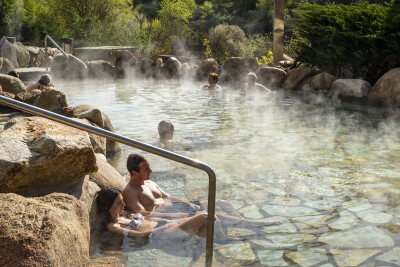
Hot springs and spas are common along the various routes of the Camino, offering pilgrims the chance to nurture both body and mind in a single experience.
The selection of thermal options increases upon reaching Galicia. In fact, Galicia is Spain’s leading thermal destination and the second-largest in Europe, boasting more than 300 mineral-medicinal springs.
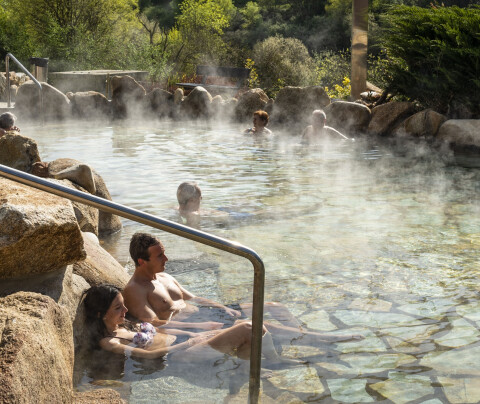
Soaking in thermal waters after a grueling stage can make your Camino an even better experience. It’s a thoroughly restorative experience that allows you to relax your muscles, reduce fatigue, and relieve joint pain.
Today we’ll tell you about the benefits of thermal bathing and the options available along the Camino de Santiago as it passes through Galicia.
Spa Resorts on the Camino de Santiago as It Passes Through Galicia
Galicia has a long tradition of thermal culture that dates back to the Romans. Over the centuries, pilgrims have been able to enjoy its healing properties, finding relief from their fatigue and ailments.
Today, in addition to their restorative benefits, Galician spas offer modern facilities and personalized service. This option allows pilgrims to combine wellness and tradition in a single experience.
Would you like to join in on this experience? Here’s a look at the options available on each route:
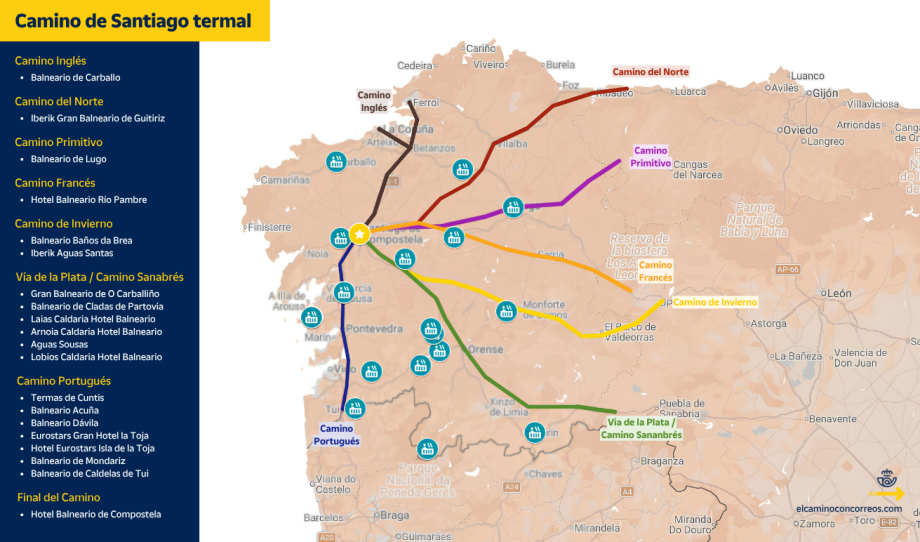
Mozarabic Way–Vía de la Plata. Ourense is the thermal capital of Galicia. Three million liters of thermal water flow every day from numerous springs scattered throughout the municipality. Here are some of the places where you can enjoy its benefits:
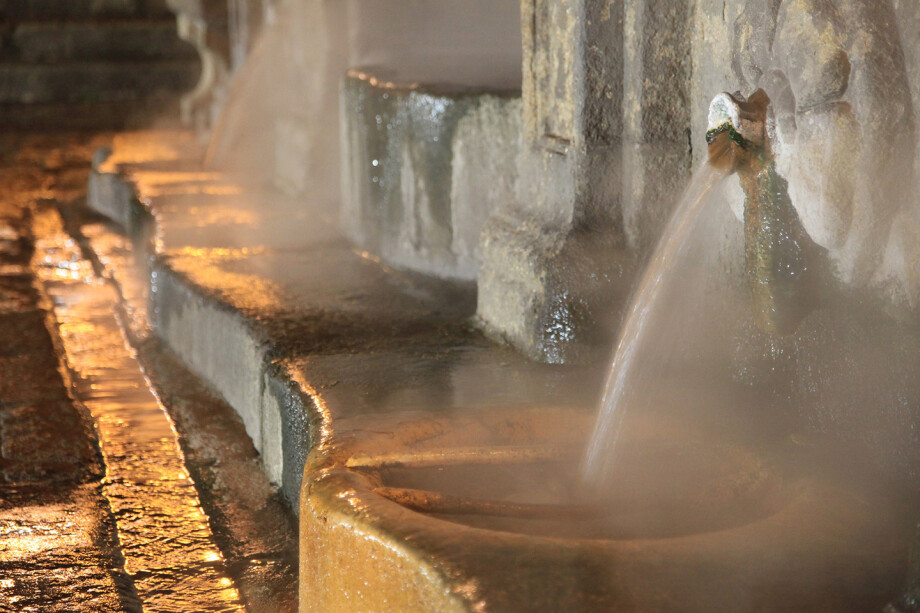
- As Burgas. If you’re traveling along the Mozarabic Way–Vía de la Plata or the Sanabrés Way, be sure to stop at As Burgas, right in the heart of Ourense’s old town. You can try the water, which flows from the fountain at over 60 degrees, or even take a dip in its thermal pool.
- Termas da Chavasqueira. Located on the banks of the Miño River, the Chavasqueira hot springs are an open-air thermal bath with relaxing properties.
Pilgrims also have a wide range of spas to choose from in the province of Ourense: the Arnoia Spa, the Laias Spa, the Lobios Spa, the Gran Balneario de Carballiño and the Caldas de Partovia Spa in Carballiño, and the Aguas de Sousas Spa.
The Portuguese Way. Caldas de Reis is the thermal capital of the Portuguese Way, but it’s not the only option available to pilgrims.
From the moment you enter Galicia, you can enjoy the thermal benefits of the Caldelas de Tui Spa or the Cuntis Hot Springs.
Once in Caldas, you can experience the restorative effects of the Burgas hot spring, with its cold and hot water spouts. And, of course, you can stay at the Acuña Spa or the Dávila Spa Hotel.
Need a few days of rest? If you can afford a small detour, the spas on the island of A Toxa are ideal for recharging your batteries and enjoying the Atlantic Ocean.
If you prefer the countryside, the Mondariz Spa is the place for you. In addition to relaxing and recharging, you can enjoy the unique heritage of this spa town and relive its golden age, when it was visited by such illustrious figures as Castelao, Queen Isabel of Portugal, and the writer Emilia Pardo Bazán.
The Primitive Route. The abundance of water in Lugo is legendary. On this pilgrimage route to Santiago, pilgrims can enjoy the same experience the Romans did so many centuries ago at the thermal baths of the Balneario de Lugo.
Northern Way. The province of Lugo also offers opportunities for thermal relaxation along the Northern Way, specifically at the Guitiriz Spa. This historic spa has reopened fully renovated and, in addition to thermal waters, offers a spa circuit and relaxation surrounded by nature.
Winter Way. The challenges of the Winter Way are rewarded by the route’s breathtaking beauty. And if pilgrims need some extra rest, they can visit the Augas Santas Spa, about 10 km from Monforte de Lemos, and the Baños de Brea Spa in Vila de Cruces (Pontevedra).
French Way. Would you like to enjoy a thermal experience during your French Way pilgrimage? Palas de Rei (Lugo) is your best option thanks to the Río Pambre spa, which offers a wide variety of medical and cosmetic treatments.
English Way. There are no thermal options directly along the route from Ferrol or A Coruña. However, there are options very close by. Specifically in Carballo, whose waters were recognized by the Paris Water Tribunal as among the best in Europe in the late 19th century and declared for public use in 1928.
Santiago de Compostela. Does Santiago de Compostela have any thermal spa options? Not in the city of the Apostle itself, but just 10 minutes away is the Hotel Balneario Compostela, in Brión.
The waters from the Nuestra Señora de los Ángeles spring combine with excellent hotel accommodations for pilgrims who decide to treat themselves at the end of their Camino de Santiago.
Benefits of Hot Springs for Pilgrims
Combining the experience of the Camino de Santiago with relaxation and recovery at a spa is a very appealing option for pilgrims.
Imagine finishing your stage exhausted, after walking more than 20 kilometers on your daily route. Enduring the heat, or the cold, the rain, or the wind—or all of them at once. And instead of just taking a shower, you can soak in hot springs or even enjoy a restorative massage.
This is what a spa retreat offers pilgrims: physical and mental rest so they can continue on the Camino de Santiago feeling completely rejuvenated.
Among the physical benefits of a thermal retreat for pilgrims are the recovery of tired muscles, joint relief—especially in the knees and ankles—and the reduction of inflammation, soothing rheumatic pain and skin chafing.
And what about the benefits for the pilgrim’s mind? Thermal waters promote deep relaxation that improves sleep quality and facilitates deeper recovery, while also helping to reduce stress.
Walk Lightly and Carefree
As you can see, the Camino de Santiago isn’t just about physical exertion—it’s an experience that allows you to care for both your body and mind at the same time.
To contribute to that well-being—or at least to make life easier for pilgrims—at Correos we offer a full range of specialized services for the Camino de Santiago that will help you save energy.
Among these, the Paq Mochila stands out—a luggage transfer service from lodging to lodging that allows pilgrims to walk carrying only the essentials. It’s available on the main pilgrimage routes, including the Portuguese Way from Porto (Portugal).
In addition, there’s the Paq Peregrino, which allows you to send a suitcase or package directly to Santiago or to any of the 2,000 Correos offices in Spain.
We invite you to discover more Correos services for the Camino de Santiago.
*Cover photo by Alfredo Cáliz
Your email address will not be published.
Mandatory fields are marked with *