
Tips to do the Camino

Share


What is the weather like on the Camino de Santiago? Will it rain? Snow? What are the average temperatures along the different routes? Knowing what weather to expect during your pilgrimage is key to planning your stages and deciding what to pack in your backpack for the Camino de Santiago.
Weather can be difficult to predict. Depending on the route and the time of year, you may encounter very different climatic conditions. For this reason, to ensure you have the most reliable information possible, we recommend checking the weather forecast every day. By knowing what weather awaits you on the Camino de Santiago, you will be able to plan your stages more effectively and adapt your itinerary if necessary.
Although we cannot tell you exactly what the weather will be like during your pilgrimage to Santiago or what temperature you will experience on the Camino, we have gathered some frequently asked questions that can help you plan your route more confidently.
What type of climate can you expect on the Camino de Santiago?
It is impossible to say exactly what the weather will be like on the Camino de Santiago, but we can give you some general guidelines depending on the season of the year:
Winter
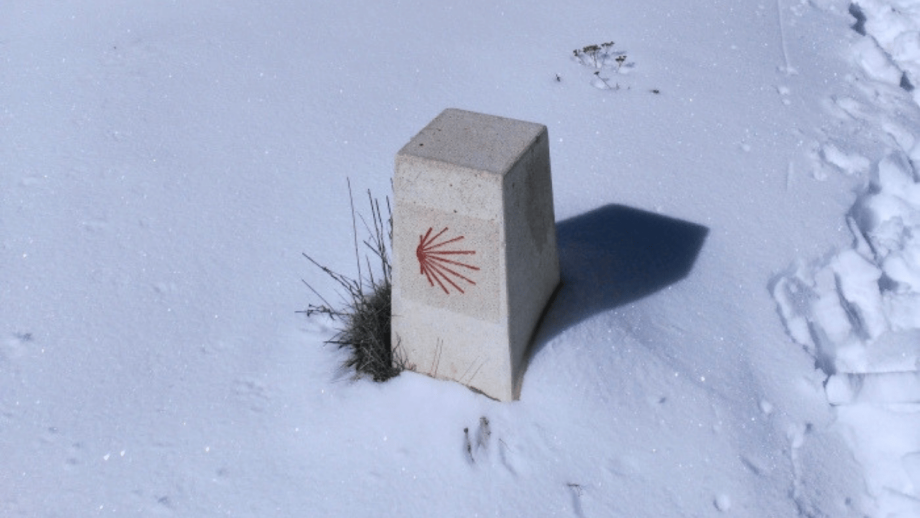
This mainly refers to the months of December, January, and February. Cold temperatures and snow are likely to accompany pilgrims on their Camino de Santiago journey. The average temperature during these months is around 8°C (46°F), although it tends to be slightly milder along the northern coast and in Mediterranean areas. In mountain regions and across the Spanish plateau, temperatures often drop below 0°C (32°F).
Winter is also the rainiest season, especially in Galicia and the northwestern part of the Iberian Peninsula. Snow is more common in northern Spain and in mountainous areas such as the Pyrenees.
In this article, we share some useful tips if you decide to walk the Camino de Santiago in winter.
Spring
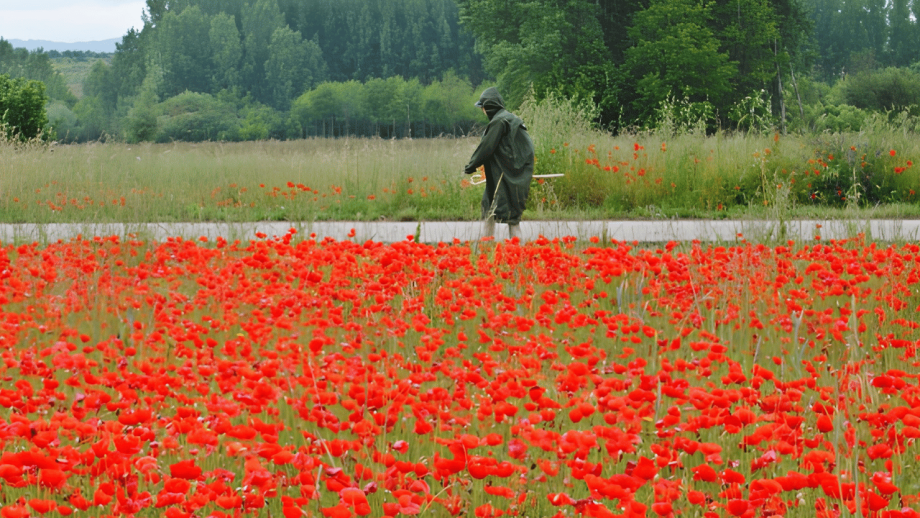
In the Northern Hemisphere, spring includes the months of March, April, and May. It is the most unpredictable time of the year, and weather conditions can vary significantly depending on the region of Spain you are crossing on the Camino de Santiago.
The average spring temperature in Spain is around 14°C (57°F), although in mountainous areas it often remains below 10°C (50°F). One constant feature of the season is the wide temperature range throughout the day: mornings and evenings can be quite cold, while daytime temperatures may climb to 20°C (68°F) or higher.
Rain is also a common companion on the Camino during spring, especially in Galicia and northern Spain.
Planning to walk the Camino de Santiago in spring? In this article, we share some recommendations if you are thinking about tackling one of the Jacobean routes in April, May, or June.
Summer
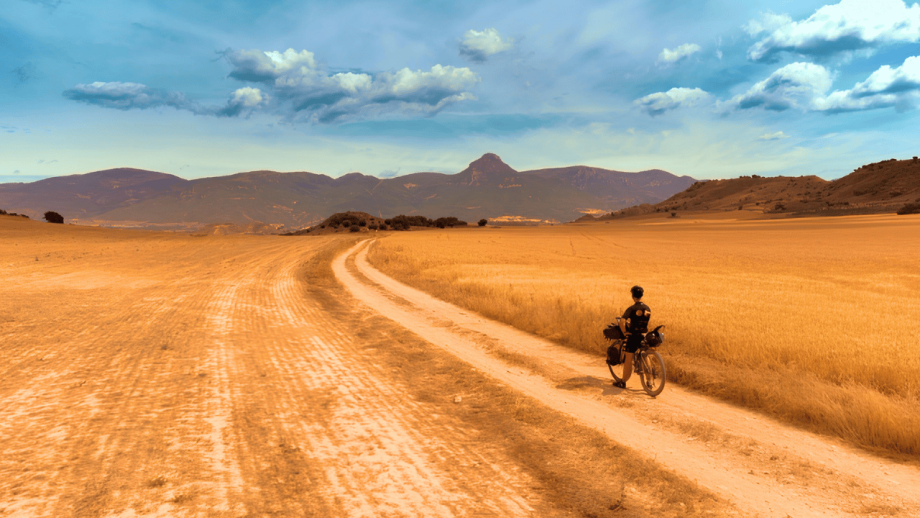
Summer is the driest and hottest season of the year. In Spain, it generally runs from mid-June through September.
What is the weather like on the Camino de Santiago in summer? The average temperature is around 23°C (73°F), although maximum temperatures are often significantly higher across much of the country, especially in southern Spain, the central plateau, and the Mediterranean coast. Heatwaves are becoming increasingly common, with temperatures frequently exceeding 40°C (104°F).
The mildest conditions are usually found along Spain’s northern regions, including Galicia, Asturias, Cantabria, and the Basque Country, although temperatures above 30°C (86°F) are not uncommon there either.
If you're walking the Camino in July, August, or September, it is important to take extra precautions against the heat. That’s why, in this article, we share some useful tips for walking the Camino de Santiago in summer.
Autumn
Late September, October, and November make up the autumn season in the Northern Hemisphere. The average temperature is around 15°C (59°F), and rainfall is often frequent, especially in November.
If you're planning to walk the Camino de Santiago in autumn, here are some recommendations you won't want to miss.

What is the best month to walk the Camino de Santiago?
Taking into account the typical weather conditions throughout the year, pilgrims often ask the same question: what is the best month of the year to walk the Camino de Santiago?
In our opinion, the best time to walk the Camino de Santiago is during spring and autumn. While the weather can be unpredictable in both seasons, temperatures are usually pleasant and severe weather events such as heavy rain, snowfall, or heatwaves are far less common.
Good weather is only one reason why spring and autumn are considered the ideal seasons for a pilgrimage. Another major advantage is that pilgrims can enjoy the full range of services available along the Jacobean routes. Pilgrim hostels are operating at full capacity, and services such as our stage-by-stage backpack transfer service, Paq Mochila, are available on the main Camino routes.
In addition, these months allow pilgrims to avoid the crowds that are often common during the summer season, making for a more peaceful and enjoyable Camino experience.
When should you avoid walking the Camino de Santiago?
There is never truly a bad time to walk the Camino de Santiago. However, both winter and summer come with advantages and drawbacks that pilgrims should carefully consider.
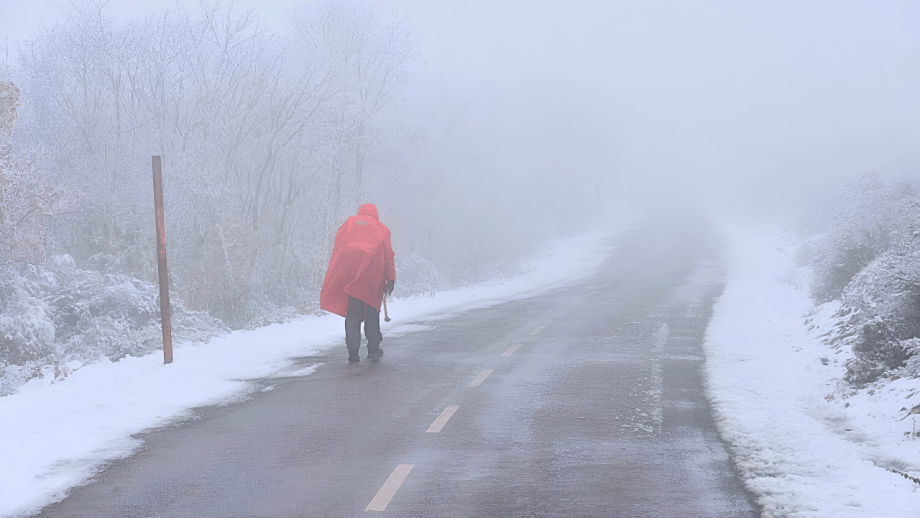
Winter is generally not the most recommended season if you are concerned about adverse weather conditions. Cold temperatures, rain, and snow are common companions along the route. In some cases, certain sections of the Camino may even be closed. For example, the Route Napoléon, the variant of the Camino Francés that crosses the Lepoeder Pass in the Pyrenees, remains closed from 1 November to 31 March due to severe weather conditions. This route connects Saint-Jean-Pied-de-Port and Roncesvalles and becomes inaccessible during the winter months.
For pilgrims seeking milder weather and fewer weather-related challenges, spring and autumn are generally more favourable alternatives.
In addition, it is worth noting that many accommodation providers take advantage of this period to close their doors, which means fewer services are available and there are far fewer fellow pilgrims on the route.
That said, for some pilgrims, winter is actually the best time to walk the Camino de Santiago. If you're wondering “When is the Camino de Santiago least crowded?” or “When is the cheapest time to walk the Camino de Santiago?”, the answer is undoubtedly winter.
So, if you don't mind challenging weather conditions and prefer solitude over crowds, winter may be the ideal season for your pilgrimage.
As for summer, it is the perfect time if you want to enjoy good weather and experience the Camino de Santiago alongside other pilgrims. It is the peak season on the Camino, with July and August being the busiest months of the year. This is largely because they coincide with Spain's main holiday period, in addition to offering generally favourable weather conditions.
Of course, all services are operating at full capacity during this period, including those Correos offers to pilgrims: from Paq Mochila and bicycle transport service to parcel and luggage shipping, now also available from Porto, as well as the luggage storage service upon arrival in Santiago de Compostela.
Which is the busiest month on the Camino de Santiago? Without a doubt, August. If you're hoping to avoid crowds, it may not be the best time to undertake a pilgrimage to Santiago, as some sections of the route can become quite busy. This is especially true along the last 100 kilometres before Santiago de Compostela, where the number of pilgrims tends to be at its highest.
Ultimately, the weather on the Camino de Santiago can be just as changeable as the pilgrimage experience itself. Rather than searching for the perfect season, the key is to be prepared for whatever conditions may arise along the way. Checking the weather forecast daily and packing the right equipment can make all the difference between a challenging day on the trail and an enjoyable stage of your journey.
Your email address will not be published.
Mandatory fields are marked with *